
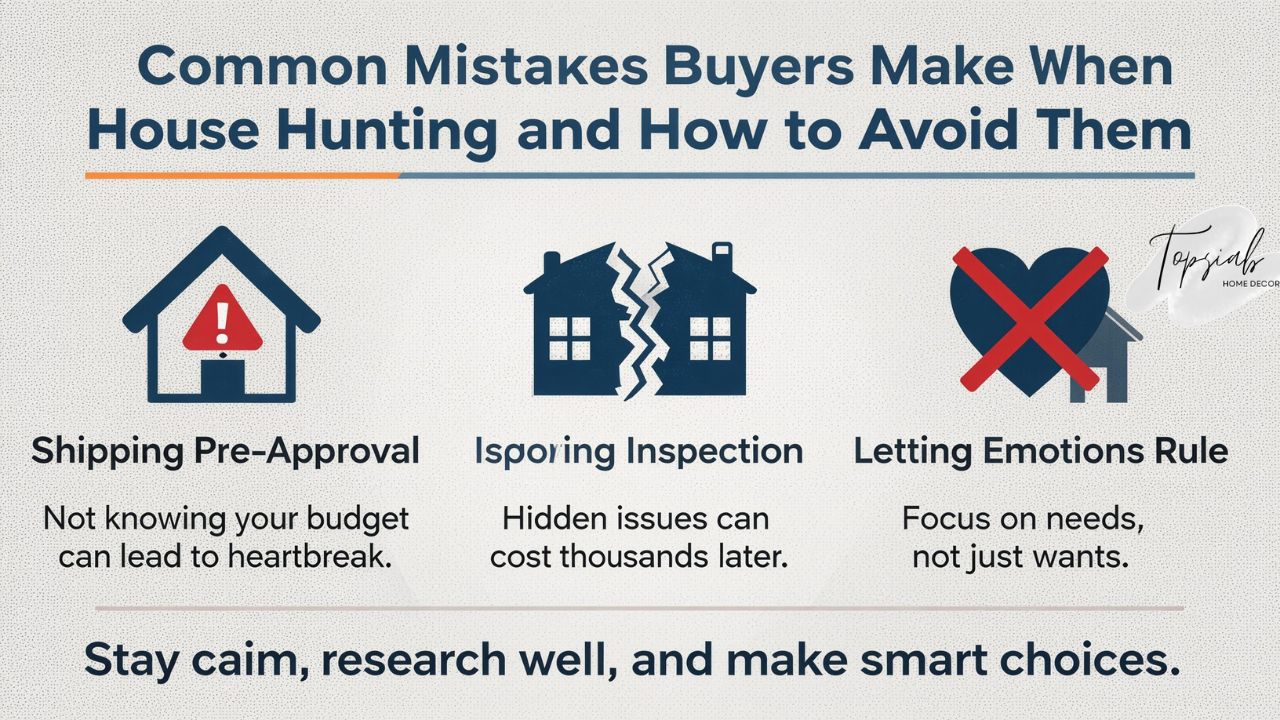
Searching for a home can be exciting, but it can also become overwhelming when small missteps start to affect the experience. Many buyers begin the journey with enthusiasm, only to find themselves confused or frustrated as they move forward.
The process involves thoughtful planning, awareness of personal needs, and the ability to make clear decisions without rushing. Understanding the common mistakes that buyers make can help create a smoother journey and help you feel more prepared as you search for the right place to call home.
Understanding Your Finances Before You Begin
One of the most frequent mistakes buyers make is entering the process without a full understanding of their financial situation. Many people begin viewing homes before evaluating what they can realistically manage or before learning how much support they can access. This can lead to disappointment when they discover that some options do not align with their financial comfort level.
A key part of this process is obtaining preapproval for a mortgage, which can help clarify how much financial support you may be eligible to receive. This step also gives you a realistic overview of your buying power and strengthens your position when you decide to make an offer. When you understand exactly where you stand, you can focus your search on homes that truly fit your needs and comfort level. It also prevents you from wasting time exploring options that may not be suitable for your budget.
Not Defining Clear Priorities
Another common mistake buyers make is approaching house hunting without a clear list of priorities. Without knowing what matters most, it becomes easy to feel confused when comparing homes.
Some buyers focus on cosmetic features and lose sight of more important long-term needs, while others become distracted by details that can be changed later.
Before beginning your search, create a list that separates must-have features from nice-to-have features. This simple step helps you stay organized and focused. It also gives you a reference point when you begin comparing different homes.
Understanding your true priorities ensures that you do not fall in love with a place that looks appealing at first glance but does not offer the long-term comfort you need.
Overlooking Important Property Details
Many buyers focus so much on the interior of a home that they forget to evaluate other essential elements. Issues such as layout, natural light, overall condition, and long-term maintenance needs can significantly affect your experience as a homeowner.
Some buyers pay more attention to decorative elements that can be easily updated while ignoring structural concerns that may require more attention later.
It is important to look at the entire property with a thoughtful approach. Pay attention to the age of key features, the functionality of the layout, and any signs of wear that may need attention later.
Letting Emotions Lead the Decision
It is natural to feel excited when viewing homes, but allowing emotions to take control can lead to regrettable decisions. Some buyers fall for the appearance of a home and stop paying attention to important details. Others feel pressured to make quick decisions because they fear missing out on an opportunity.
The best approach is to balance enthusiasm with logic. Take time to compare each home to your priorities list, reflect on how the space fits your long-term needs, and avoid rushing into decisions.
Skipping Professional Guidance
Some buyers attempt to navigate the process entirely on their own. While researching on your own is helpful, buying a home involves many steps that benefit from expert support. Without professional guidance, it becomes easy to overlook important information or misunderstand parts of the process.
Working with experienced professionals provides clarity and confidence. They can help you understand what to expect at every stage and can offer valuable insight into aspects you may not have considered.
Ignoring the Long-Term Perspective
Another frequent mistake is focusing only on present needs while ignoring long-term considerations. Some buyers choose a home that feels perfect at the moment without considering how their lifestyle might evolve. Others overlook potential growth or future plans and end up choosing a home that no longer suits them after a few years.
Thinking ahead is essential. Consider how your life may change and whether the home can grow with you. A long-term perspective helps ensure that your investment continues to serve your needs for many years to come.
Rushing Through Property Viewings
When the market feels competitive, some buyers rush through viewings to keep up with the pace. This often leads to missing important details or feeling unsure about the decision later. Taking your time allows you to understand the property clearly and determine whether it fits your needs.
Spend enough time in each room, observe how the space feels, and picture how your daily routines would fit into the layout. Careful observation is a simple habit that prevents unnecessary surprises later.
Overlooking Additional Costs of Homeownership
Many buyers focus entirely on the purchase price without considering the ongoing costs of maintaining a home. These costs can include upkeep, improvements, and unexpected repairs. Forgetting to plan for these expenses can create financial stress after moving in.
A thoughtful approach is essential. Take time to evaluate the age and condition of the home. Consider any improvements you may want to make later and whether the property will require future updates. A clear understanding of these factors will help you prepare and avoid financial strain.
Allowing Outside Opinions to Influence the Choice
Turning to friends or family for advice can be helpful, but relying on their opinions too heavily can create confusion. What works for someone else may not be suitable for your lifestyle, needs, or preferences. Some buyers end up making choices based on others’ expectations rather than their own priorities.
Avoiding common mistakes during house hunting begins with clear planning, self-awareness, and patience. When you understand your financial situation, define your priorities, observe properties carefully, and stay grounded throughout the process, you can make confident choices that support your long-term goals.