
Introduction
There’s a moment in every ambitious project when the future feels exciting—but also slightly overwhelming. You know where you want to go, yet the path feels blurry. This is exactly where a back casting room quietly changes the game.
Unlike traditional planning spaces, a back casting room is designed to help teams imagine a successful future first, then work backward to define the steps that make it real. It’s less about reacting to today’s problems and more about intentionally designing tomorrow.
In reality, organizations that rely only on forecasts often stay trapped in incremental thinking. A well-designed back casting room encourages bold ideas, honest discussion, and long-term clarity—without losing practical focus.

What Is a Back Casting Room?
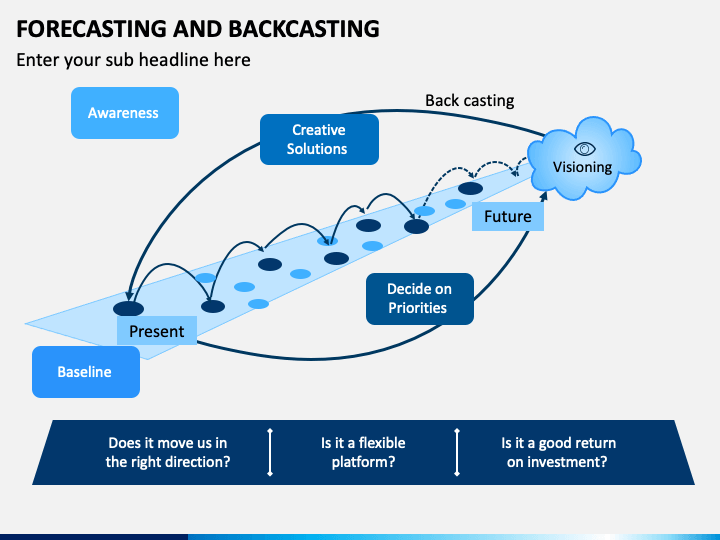
A back casting room is a dedicated physical or hybrid space created specifically for backcasting sessions—a strategic planning method that starts with a clearly defined future goal and works backward to identify actions, milestones, and decisions required to reach it.
In simple terms, the room supports a mindset shift. Instead of asking, “What will happen if current trends continue?” teams ask, “If we succeed completely, what did we do to get there?”
This type of room is commonly used by:
- Strategy teams
- Sustainability planners
- Innovation and R&D groups
- Leadership and executive workshops
The environment matters because backcasting depends heavily on collaboration, visual thinking, and open conversation. A generic meeting room rarely supports that depth.
How Back Casting Differs From Forecasting
Forecasting: Forward-Looking but Trend-Bound
Forecasting projects today’s data into the future. While useful, it often assumes that existing constraints will remain unchanged.
Backcasting: Vision-Driven and Intentional
Backcasting flips the logic. The back casting room becomes a place where constraints are questioned rather than accepted.
Key differences at a glance:
| Aspect | Forecasting | Backcasting |
|---|---|---|
| Starting point | Present conditions | Desired future state |
| Thinking style | Predictive | Creative and strategic |
| Risk of bias | High (trend dependency) | Lower (goal-driven) |
| Best for | Short-term planning | Long-term transformation |
That said, many high-performing organizations combine both approaches—using forecasting for operational decisions and backcasting for vision-level strategy.

Purpose of a Back Casting Room
The primary purpose of a back casting room is focus. When teams step into this space, they step out of daily distractions and into long-range thinking.
More specifically, the room helps teams:
- Align around a shared long-term vision
- Break complex goals into achievable phases
- Surface assumptions and hidden constraints
- Encourage equal participation across roles
However, the psychological impact is just as important. A thoughtfully designed space signals that deep thinking is valued here. That alone changes how people show up.
Key Elements of an Effective Back Casting Room
Physical Layout and Space Planning
A successful back casting room avoids rigid seating. Circular or U-shaped layouts work best because they promote dialogue rather than hierarchy.
Key layout considerations include:
- Open wall space for visual mapping
- Flexible seating that can be rearranged quickly
- Clear sightlines to shared boards and displays
Visual Thinking Surfaces
Walls are not decoration in a back casting room—they’re tools. Whiteboards, writable walls, and pin-up boards allow ideas to stay visible throughout the session.
This visibility helps teams:
- Track logical connections
- Identify gaps in reasoning
- Revisit earlier assumptions without restarting
Technology Integration
While analog tools are powerful, digital support matters too. Screens for shared documents, virtual collaboration tools, and recording equipment make sessions more productive—especially in hybrid teams.
How to Design a Back Casting Room Step by Step
Step 1: Define the Intended Use
Not all backcasting sessions are the same. Some focus on sustainability goals, others on product roadmaps or organizational change. Clarify:
- Who will use the room
- How long sessions typically last
- Whether sessions are internal or cross-functional
This clarity prevents over- or under-design.
Step 2: Create Zones Within the Room
Effective rooms often include multiple zones:
- Vision zone: For defining the future state
- Timeline zone: For working backward
- Discussion zone: For reflection and debate
Even subtle visual cues—like lighting or wall color—can separate these zones without physical barriers.
Step 3: Choose Tools That Encourage Participation
Avoid tools that only one person can control. Instead, prioritize shared tools like sticky notes, marker boards, and collaborative software that keeps everyone involved.
Step 4: Test and Iterate
A back casting room should evolve. After a few sessions, gather feedback and refine the setup. In practice, small changes often deliver outsized improvements.
Tools and Materials Commonly Used
A back casting room doesn’t require expensive equipment, but the right tools make a difference.
Common essentials include:
- Whiteboards or writable walls
- Sticky notes in multiple colors
- Thick markers for visibility
- Large timeline templates
- Projector or large display screen
Optional but valuable additions:
- Digital collaboration boards
- Audio recording for session playback
- Modular furniture
That said, the most important tool is skilled facilitation. Even the best room fails without thoughtful guidance.
Real-World Use Cases and Examples
Sustainability and Climate Planning
Backcasting is widely used in sustainability planning because long-term environmental goals often require radical shifts rather than incremental change. Teams imagine a carbon-neutral future, then identify policy, technology, and behavior changes needed to get there.
Corporate Strategy and Transformation
During mergers, rebranding, or digital transformation, leaders use a back casting room to define what success looks like five or ten years out—before debating budgets or timelines.
Product and Innovation Teams
Innovation teams often use backcasting to escape “feature creep.” By defining the ideal user outcome first, they avoid building solutions that don’t matter.
Benefits and Limitations of Back Casting Rooms
Key Benefits
- Encourages long-term thinking
- Reduces short-term bias
- Strengthens cross-team alignment
- Makes complex goals more tangible
In many cases, teams report clearer decisions after a single well-run session.
Practical Limitations
However, backcasting isn’t a silver bullet.
- It requires time and preparation
- Poor facilitation can derail sessions
- Some participants may resist abstract thinking
Recognizing these limitations early helps set realistic expectations.
FAQ
What is a back casting room used for?
A back casting room is used for long-term strategic planning, helping teams define a future goal and work backward to identify steps needed to achieve it.
How is a back casting room different from a meeting room?
Unlike a standard meeting room, a back casting room is designed for visual thinking, collaboration, and future-focused planning rather than routine discussions.
Who should participate in back casting sessions?
Cross-functional teams work best, including leadership, subject-matter experts, and stakeholders who influence long-term decisions.
Can a back casting room be virtual?
Yes. Many organizations use digital tools to create virtual back casting rooms, especially for remote or hybrid teams.
How long does a typical backcasting session last?
Sessions usually range from half a day to two full days, depending on the complexity of the goal.
Is backcasting suitable for small businesses?
Absolutely. Even small teams benefit from clarifying long-term direction using a simplified back casting room setup.
What skills does a facilitator need?
Strong facilitation requires active listening, neutral guidance, and the ability to balance creativity with realism.
How often should a back casting room be used?
Most organizations use it quarterly or annually, aligned with major planning cycles.
Conclusion
A back casting room is more than a physical space—it’s a mindset made tangible. By starting with a clear vision of success and working backward, teams escape short-term thinking and design strategies that actually lead somewhere meaningful.
When designed with intention and used thoughtfully, this type of room becomes a quiet but powerful driver of clarity, alignment, and progress.