
Introduction
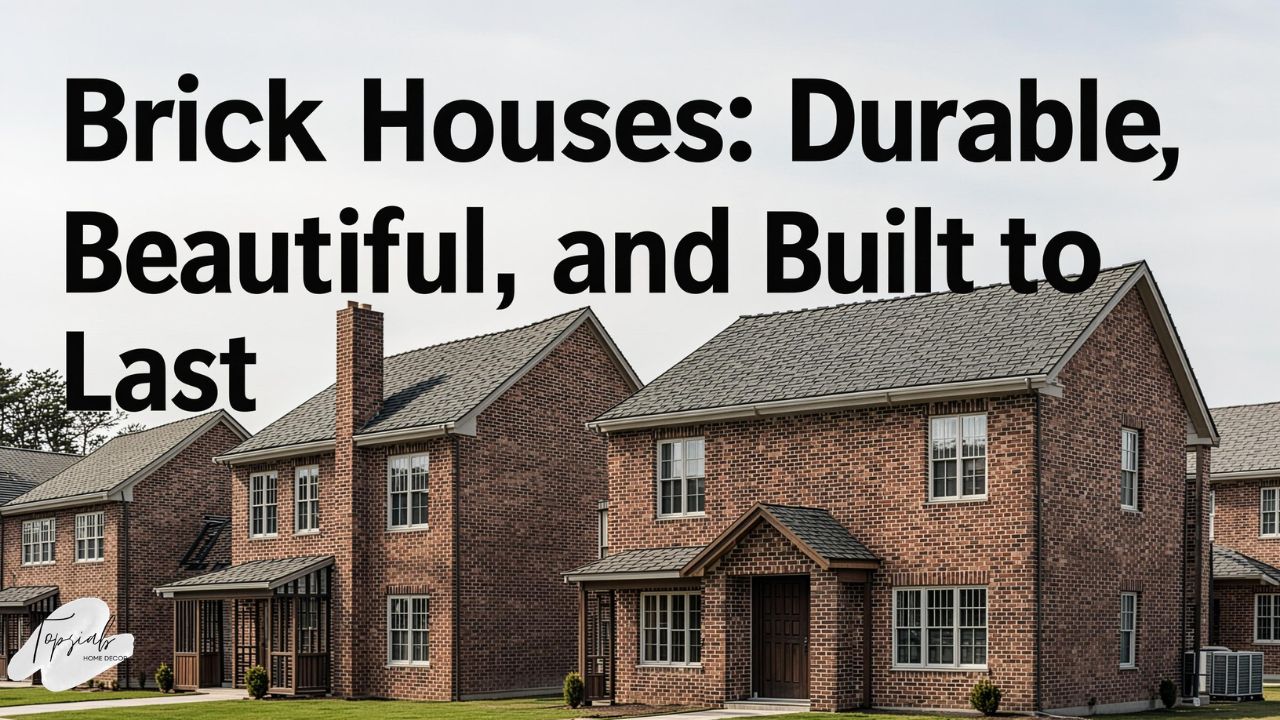
Some homes come and go with design trends, but others remain timeless. One of the most enduring examples is brick houses. From historic townhomes in Europe to modern suburban residences, brick structures have stood the test of time—both structurally and aesthetically.
Walk through almost any neighborhood and you’ll likely notice a few homes with classic brick exteriors. These houses radiate durability, warmth, and character. But their appeal goes far beyond appearance. Brick houses are known for their longevity, energy efficiency, and resistance to harsh weather conditions.
For homeowners, builders, and architecture enthusiasts alike, brick homes represent a powerful combination of tradition and innovation. Whether you’re considering building a new home, renovating an existing property, or simply exploring architectural styles, understanding the advantages and design possibilities of brick homes is incredibly valuable.
In this guide, we’ll explore everything you need to know—from construction methods and design styles to costs, sustainability, and long-term benefits.
What Are Brick Houses?
Brick houses are residential buildings constructed primarily using bricks as the main exterior structural or decorative material. These bricks are typically made from clay that is molded, dried, and fired in kilns to achieve strength and durability.
Historically, bricks have been one of the most reliable building materials in the world. Their strength, fire resistance, and natural insulation properties have made them a preferred option for centuries.
Modern homes may use brick in several ways:
| Construction Type | Description |
|---|---|
| Solid Brick | Entire wall structure built using multiple brick layers |
| Brick Veneer | Thin brick layer attached to a structural wall |
| Brick and Frame | Brick exterior with wood or steel frame inside |
In modern construction, brick veneer is the most common approach because it offers the aesthetic benefits of brick while reducing structural costs.
History and Evolution of Brick Houses
The story of brick construction dates back thousands of years. Archaeologists have discovered early brick structures in ancient civilizations such as Mesopotamia and the Indus Valley.
Ancient Origins
Brick-making began around 7000 BCE when people discovered that clay could be molded into blocks and hardened by heat or sun. Early brick structures were used for homes, temples, and defensive walls.
Medieval and Colonial Architecture
In medieval Europe, bricks became a symbol of durability and status. Later, during colonial times, brick homes spread across North America due to their fire-resistant properties.
Modern Brick Architecture
Today, brick houses remain popular worldwide. Advanced kiln technology, improved mortar systems, and modern insulation techniques have made brick homes more efficient and versatile than ever.
Why Brick Houses Are So Popular
Several factors contribute to the continued popularity of brick construction.
Durability
Bricks are extremely strong and resistant to wear. Many brick homes have stood for over 100 years with minimal structural deterioration.
Fire Resistance
Unlike wood or vinyl materials, bricks do not burn. This provides homeowners with additional safety and often lowers insurance costs.
Timeless Appearance
Brick homes maintain their visual appeal for decades. Their natural color and texture rarely go out of style.
Property Value
Real estate studies consistently show that homes with brick exteriors often retain value better than those with synthetic siding.
Advantages of Brick Houses
Exceptional Longevity
One of the greatest strengths of brick construction is longevity. A well-built brick structure can last more than 100–150 years with proper maintenance.
Low Maintenance
Unlike wood siding or vinyl panels, brick requires minimal upkeep.
Typical maintenance tasks include:
- occasional cleaning
- mortar inspection
- sealing if necessary
There is no need for frequent repainting.
Natural Insulation
Bricks provide thermal mass, which helps regulate indoor temperatures.
Benefits include:
- cooler homes in summer
- warmer interiors in winter
- reduced heating and cooling costs
Weather Resistance
Brick walls can withstand harsh environmental conditions including:
- heavy rain
- snow
- strong winds
- intense heat
This resilience is one reason brick houses are common in areas with extreme weather.
Disadvantages of Brick Houses
Despite their benefits, brick homes also come with some limitations.
Higher Initial Cost
Brick construction is usually more expensive than vinyl or wood siding due to material and labor costs.
Limited Structural Flexibility
Modifying brick walls can be more complex compared to framed structures.
Moisture Issues (If Improperly Built)
Poorly installed brick veneer may allow moisture infiltration if drainage systems are inadequate.
However, modern construction techniques largely prevent these issues.
Types of Brick House Construction
Understanding construction methods helps homeowners choose the best option.
Solid Masonry Construction
This traditional technique uses multiple brick layers to support the structure.
Benefits include:
- exceptional durability
- historic authenticity
However, it is more expensive.
Brick Veneer Construction
Most modern brick houses use veneer construction.
A thin brick layer is attached to a structural frame, providing the appearance of brick while reducing costs.
Engineered Brick Panels
Some modern homes use prefabricated brick panels that mimic traditional brickwork but install faster.
Popular Architectural Styles for Brick Homes
Brick homes appear in many architectural designs.
Colonial Brick Homes
Colonial architecture often features symmetrical layouts and red brick exteriors.
Characteristics include:
- centered doors
- evenly spaced windows
- pitched roofs
Tudor Style Brick Homes
These homes combine brick with decorative timber framing.
Common features:
- steep roofs
- tall chimneys
- narrow windows
Georgian Brick Houses
Georgian homes emphasize balance and elegance.
Typical elements include:
- rectangular shape
- brick façade
- decorative entryways
Modern Minimalist Brick Homes
Modern architects now combine brick with glass, steel, and concrete to create sleek contemporary designs.
Cost of Building Brick Houses
The cost of constructing a brick home varies based on several factors.
| Factor | Estimated Impact |
|---|---|
| Materials | Brick veneer costs $10–$25 per sq ft |
| Labor | Masonry work is labor-intensive |
| Location | Regional construction prices vary |
| Design Complexity | Custom architecture increases costs |
On average, brick exteriors may add $8,000–$15,000 to the cost of a typical home compared to vinyl siding.
However, long-term savings from durability and low maintenance often offset these costs.
Maintenance and Longevity
One major reason homeowners prefer brick houses is their minimal maintenance requirements.
Routine Care
Maintenance typically includes:
- inspecting mortar joints
- cleaning brick surfaces
- checking drainage systems
Repointing Mortar
Over time, mortar joints may deteriorate. Repointing—replacing the mortar between bricks—can extend a home’s lifespan significantly.
Structural Longevity
Some historic brick buildings have lasted over 200 years, demonstrating the incredible durability of this construction method.
Energy Efficiency and Sustainability
Brick construction also contributes to sustainable building practices.
Thermal Mass Benefits
Brick absorbs heat during the day and releases it slowly at night.
This stabilizes indoor temperatures and reduces reliance on HVAC systems.
Eco-Friendly Materials
Bricks are made from natural clay and shale, making them environmentally friendly.
Reduced Waste
Because bricks are long-lasting, fewer materials are required for repairs or replacements over time.
This sustainability factor makes brick houses attractive to environmentally conscious homeowners.
Personal Background: Builders, Architects & Financial Insights
Many renowned architects and builders have contributed to the popularity of brick homes.
Architectural Legacy
Architects such as Frank Lloyd Wright and Louis Kahn incorporated brick into some of their most iconic designs.
Brick allowed them to create structures that were both strong and visually striking.
Career Opportunities in Masonry
The masonry industry remains a vital part of construction worldwide.
Typical roles include:
- brick masons
- structural engineers
- construction managers
- architectural designers
Skilled masons often earn competitive salaries due to the specialized nature of their work.
Financial Perspective
From a financial standpoint, homes built with brick often maintain higher resale values.
Real estate data suggests brick homes may sell 5–10% higher than comparable houses with alternative siding materials.
This makes brick construction not just an architectural choice but also a long-term investment.
FAQ
Are brick houses stronger than wood houses?
Yes. Brick homes are generally more durable and resistant to fire, pests, and extreme weather compared to wood-frame houses.
Do brick houses last longer?
Many brick structures last over 100 years with proper maintenance, making them one of the longest-lasting residential building materials.
Are brick homes energy efficient?
Yes. Brick’s thermal mass helps regulate indoor temperatures, reducing heating and cooling costs.
Do brick houses require painting?
No. Unlike wood siding, brick does not require regular painting, which lowers maintenance costs.
Are brick houses more expensive to build?
Initial construction costs can be higher due to masonry labor and material expenses, but long-term maintenance savings often offset the difference.
Can brick houses be modern?
Absolutely. Modern architects frequently use brick alongside glass and steel to create contemporary designs.
Are brick homes environmentally friendly?
Yes. Bricks are made from natural materials and offer long life spans, which reduces environmental impact.
Do brick houses increase property value?
Many real estate markets show higher resale values for homes with brick exteriors due to durability and aesthetic appeal.
Conclusion
Brick homes have remained a cornerstone of residential architecture for centuries. Their durability, timeless beauty, and low maintenance requirements make them an appealing choice for homeowners across the world.
From historic townhouses to modern minimalist designs, brick houses continue to evolve while preserving their classic charm. Their ability to withstand harsh weather, resist fire, and maintain long-term structural integrity ensures they remain one of the most reliable building options available.
For anyone planning to build or purchase a home, brick construction offers a powerful blend of practicality, aesthetics, and long-term value. When thoughtfully designed and properly maintained, a brick home can become a lasting legacy—one that stands proudly for generations.