
Introduction
Imagine walking through a city where delivery robots glide silently along sidewalks, autonomous machines monitor air quality in real time, and intelligent service bots assist commuters at busy transit hubs. What once felt like science fiction is quickly becoming reality—and platforms like City-robots.com are at the heart of this transformation.
In today’s rapidly evolving digital landscape, City-robots.com represents more than just a robotics domain name. It symbolizes a growing movement toward smarter, safer, and more efficient urban environments powered by artificial intelligence, automation, and connected infrastructure.
Cities worldwide are struggling with congestion, pollution, security concerns, and rising operational costs. Urban robotics offers practical, scalable solutions. Whether you’re a tech entrepreneur, investor, policymaker, or simply a curious observer, understanding what City-robots.com stands for could give you insight into the next technological revolution shaping modern cities.

Robotics in urban environments isn’t about replacing humans. It’s about enhancing efficiency, improving safety, and creating sustainable systems that work around the clock. And that’s exactly where City-robots.com enters the conversation.
The Rise of Urban Robotics
Urban robotics has grown dramatically over the past decade. According to global robotics market projections, the service robotics industry alone is expected to surpass $100 billion within the next few years. The demand is fueled by rapid urbanization—over 56% of the world’s population now lives in cities.
Why Cities Need Robotics
Modern cities face complex challenges:
- Traffic congestion
- Public safety monitoring
- Waste management inefficiencies
- Environmental sustainability
- Aging infrastructure
Traditional systems often lack scalability. However, AI-driven robotics can:
- Operate 24/7
- Collect real-time data
- Reduce human labor costs
- Improve precision and response time
In reality, robotics isn’t replacing city workers. Instead, it handles repetitive, risky, or data-heavy tasks, freeing humans for higher-value responsibilities.
What City-robots.com Represents
City-robots.com symbolizes the intersection of robotics engineering and urban innovation. It reflects a digital platform or brand vision centered on:
- Smart city automation
- Public service robotics
- AI-powered infrastructure solutions
- Urban mobility technologies
When people search for City-robots.com, they are likely exploring:
- Urban robot deployment models
- Autonomous delivery systems
- Public safety robots
- Smart cleaning and maintenance bots
Defining Urban Robotics
Urban robotics refers to intelligent machines designed specifically for city environments. These systems integrate:
- Computer vision
- Sensor networks
- Machine learning
- Edge computing
- Internet of Things (IoT) connectivity
Together, these technologies allow robots to navigate complex, dynamic city landscapes.

Core Technologies Behind Smart City Robots
The success of City-robots.com depends on advanced technological ecosystems.
Artificial Intelligence & Machine Learning
AI enables robots to:
- Recognize objects
- Predict pedestrian movement
- Optimize routes
- Detect anomalies
Without AI, robots would simply follow rigid instructions. With machine learning, they adapt and improve over time.
Computer Vision
Computer vision systems use cameras and deep learning to interpret surroundings. For example:
- Identifying traffic signals
- Recognizing obstacles
- Monitoring crowd density
Autonomous Navigation
Urban robots rely on:
- LiDAR
- GPS
- Real-time mapping (SLAM technology)
- Sensor fusion
This ensures safe navigation in crowded environments.
Connectivity & Cloud Integration
Robots often communicate with cloud systems for:
- Data processing
- Performance analytics
- Fleet coordination
- Remote updates
City-robots.com aligns closely with these interconnected technologies.
Real-World Applications of City-robots.com
Urban robotics isn’t theoretical—it’s already transforming global cities.
Autonomous Delivery Robots
Companies worldwide deploy robots for:
- Food delivery
- Parcel transport
- Grocery distribution
These robots reduce carbon emissions and improve last-mile logistics efficiency.
Security & Surveillance Robots
Security robots patrol:
- Parking lots
- Campuses
- Commercial districts
They provide:
- Real-time video monitoring
- License plate recognition
- Emergency alerts
Cleaning & Sanitation Robots
In cities prioritizing hygiene, robots disinfect public spaces, sweep streets, and manage waste.
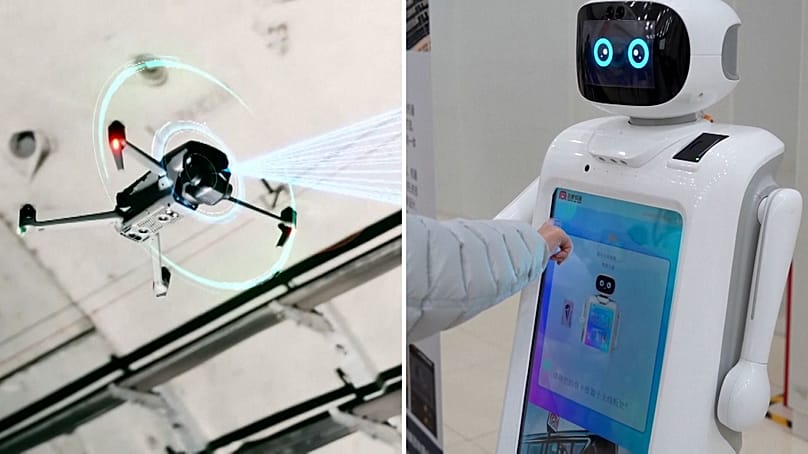
Public Assistance Robots
Robots in airports and transit hubs assist with:
- Directions
- Ticket scanning
- Information services
City-robots.com reflects these diverse implementations across sectors.
Benefits and Challenges of Urban Robotics
Benefits
- Improved efficiency
- Cost savings over time
- Enhanced public safety
- Reduced environmental impact
- Data-driven city planning
Challenges
However, urban robotics also raises concerns:
- Data privacy
- Job displacement fears
- Regulatory barriers
- High upfront costs
- Cybersecurity risks
Balancing innovation with ethical governance remains crucial.
Personal Background & Market Growth Insights
The robotics industry has evolved from industrial assembly lines to public-facing service systems. Early pioneers focused on factory automation. Today, entrepreneurs and engineers are designing robots specifically for urban ecosystems.
Many founders in the urban robotics sector come from backgrounds in:
- Mechanical engineering
- Artificial intelligence research
- Smart city planning
- Venture-backed startups
Financially, the robotics startup ecosystem attracts billions in venture capital annually. Investors recognize that smart city robotics could redefine public infrastructure just as smartphones transformed communication.
City-robots.com sits conceptually within this fast-growing landscape. Its branding aligns with future-ready urban automation solutions.
The Future Vision of City-robots.com
Looking ahead, City-robots.com could evolve into:
- A robotics marketplace
- An educational platform
- A technology incubator
- A smart city innovation hub
Future urban robots may include:
- Autonomous emergency responders
- AI traffic management bots
- Environmental monitoring swarms
- Robotic infrastructure repair systems
Imagine drones repairing streetlights automatically or sidewalk robots detecting water leaks before major damage occurs. These aren’t distant dreams—they’re active development projects globally.
City-robots.com represents a digital doorway into this future.
Frequently Asked Questions
FAQs
What is City-robots.com?
City-robots.com represents a concept or platform focused on urban robotics and smart city automation technologies.
How does urban robotics benefit cities?
Urban robotics improves efficiency, enhances public safety, reduces costs, and supports environmental sustainability.
Are city robots safe?
Modern robots use advanced sensors, AI, and strict compliance standards to operate safely in public spaces.
Will robots replace city workers?
Not entirely. Robots handle repetitive or hazardous tasks while humans manage oversight, strategy, and complex decision-making.
What industries use urban robotics?
Transportation, logistics, security, sanitation, infrastructure management, and public services use urban robotics.
Is City-robots.com related to AI?
Yes. AI and machine learning are foundational technologies enabling urban robots to operate autonomously.
What challenges do city robots face?
Challenges include regulation, cybersecurity risks, public acceptance, and infrastructure adaptation.
How can businesses benefit from City-robots.com?
Businesses can explore partnerships, investments, technology integration, or educational resources related to urban automation.
Conclusion
Cities are living organisms—constantly growing, evolving, and adapting. Technology must evolve alongside them. City-robots.com symbolizes a shift toward intelligent infrastructure where automation supports human life rather than replacing it.
Urban robotics is no longer experimental. It is practical, scalable, and increasingly necessary. From delivery bots to AI-powered sanitation systems, these machines are quietly reshaping our daily experiences.
As innovation accelerates, platforms like City-robots.com may become central hubs for education, collaboration, and technological advancement in smart cities worldwide. The question isn’t whether robotics will transform cities. It’s how quickly—and how thoughtfully—we embrace that transformation.