
Introduction
There’s a moment in every challenging roguelike where things finally click. Your decisions feel intentional, your combat sharper, and your survival instincts reliable. That moment is exactly what competitive edge the serpentrogue is all about—learning how to turn knowledge into dominance.
In The Serpent Rogue, success isn’t handed to you. It’s earned through experimentation, discipline, and a deep understanding of systems that often punish impatience. Players who rush in usually fail. Those who slow down and learn? They thrive.
This guide exists for players who want more than surface-level tips. If you’re looking to survive longer runs, control chaos, and consistently outperform enemies, you’re in the right place.
We’ll break down mechanics, strategies, builds, and mindset—everything you need to develop a true edge that separates casual play from mastery.
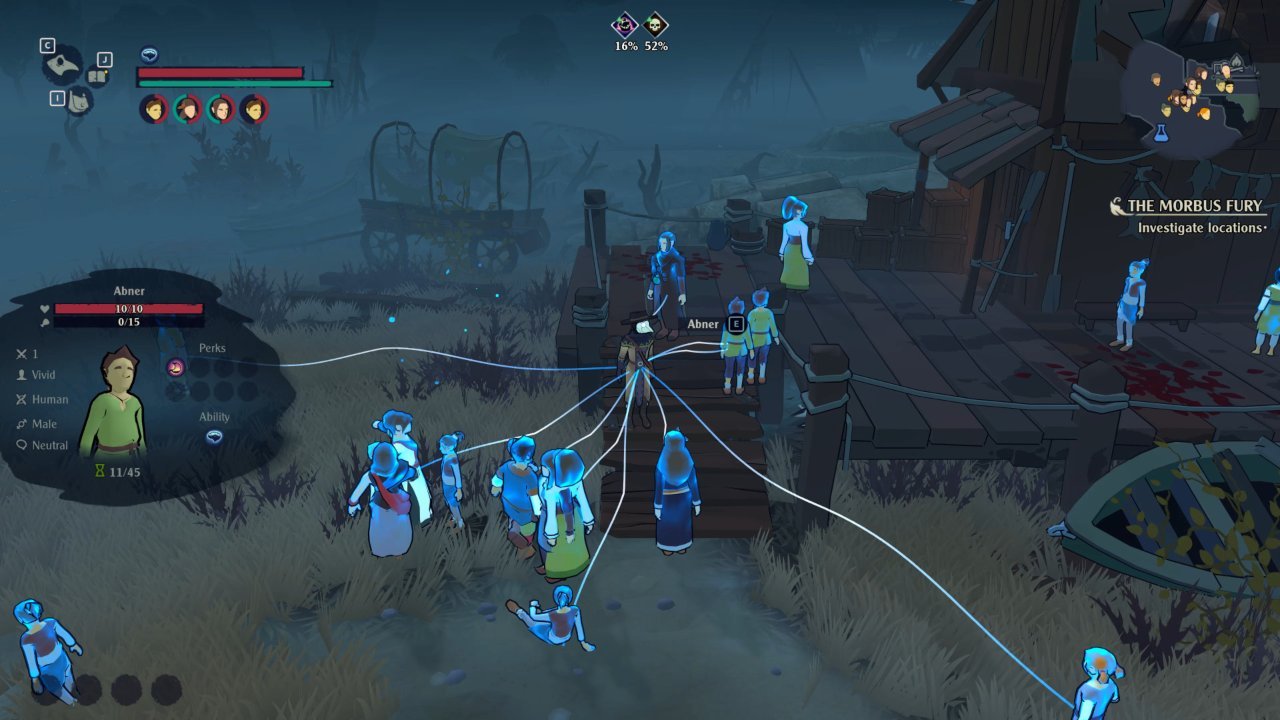
Understanding Competitive Edge in The SerpentRogue
A competitive edge in this game isn’t about reflexes alone. It’s about foresight.
What “Competitive Edge” Really Means Here
In traditional action games, skill often equals speed. In competitive edge the serpentrogue, skill equals control. Control over:
- Enemy behavior
- Environmental hazards
- Your own corruption levels
- Alchemical consequences
Players who understand these layers play a fundamentally different game than those who don’t.
Why Most Players Struggle Early
Early frustration usually comes from misunderstanding cause and effect. Actions in The Serpent Rogue always have consequences—sometimes delayed, sometimes subtle. However, once you recognize those patterns, difficulty becomes manageable rather than punishing.
Core Mechanics That Define Competitive Advantage
Corruption: The Invisible Enemy
Corruption isn’t just a meter—it’s a timer on reckless behavior.
- High corruption increases enemy aggression
- Mutations can help or completely ruin a run
- Unchecked corruption spirals out of control fast
Competitive players plan corruption the same way they plan health or stamina.
Time and World State
Time doesn’t pass passively. The world reacts to you.
- Enemies respawn based on conditions
- Items decay if left unattended
- Environmental balance matters
Ignoring the world state is one of the fastest ways to lose momentum.

Combat Systems and Tactical Decision-Making
Combat Is About Positioning, Not Power
Brute force rarely works. Smart positioning always does.
Effective combat involves:
- Luring enemies into terrain traps
- Isolating threats instead of mob fighting
- Managing stamina before damage
That’s why competitive edge the serpentrogue players fight fewer enemies—but win more encounters.
Weapon Choice and Timing
Weapons aren’t balanced equally for all situations.
| Weapon Type | Strength | Risk |
|---|---|---|
| Daggers | Speed, bleed | Low damage per hit |
| Maces | Crowd control | Slow recovery |
| Swords | Balanced output | Moderate stamina cost |
Knowing when to switch matters more than what you equip.
Alchemy Mastery: The True Power Curve
If combat is the surface, alchemy is the engine.
Why Alchemy Separates Average From Elite Players
Potions don’t just heal—they shape the entire run.
- Some potions reduce corruption permanently
- Others manipulate enemy AI
- Certain mixtures alter environmental behavior
Used correctly, alchemy gives competitive edge the serpentrogue its defining advantage.
Risk vs Reward in Brewing
Every potion carries side effects. Competitive players track those risks mentally.
Common alchemy mistakes include:
- Overusing unknown ingredients
- Ignoring mutation probabilities
- Hoarding potions instead of using them tactically
Mastery comes from calculated experimentation, not blind mixing.
Resource Management and Long-Term Survival
Inventory Discipline Wins Runs
Greedy players die early. Strategic ones adapt.
You should always ask:
- Will this item help now or later?
- Is the corruption cost worth the benefit?
- Can this resource be replaced easily?
Elite survival is less about luck and more about restraint.
Food, Decay, and Planning Ahead
Food spoils. Buffs fade. Enemies adapt.
That said, planning routes around resource refresh points dramatically increases survival odds. Competitive players memorize these patterns and exploit them.
Environmental Control and World Manipulation
The World Is a Weapon
You don’t just fight enemies—you manipulate the environment against them.
Examples include:
- Triggering hazards to thin enemy numbers
- Using narrow paths to negate mob advantages
- Controlling spawn zones through item placement
This layer is often overlooked, yet it defines competitive edge the serpentrogue gameplay at higher levels.
Boss Encounters and High-Risk Scenarios
Bosses Punish Panic
Boss fights test everything you’ve learned.
Successful players:
- Enter with low corruption
- Pre-buff intelligently
- Control space instead of chasing damage
Panic leads to mistakes. Calm execution wins.
Learning Patterns, Not Speedrunning
Bosses telegraph attacks clearly—but only if you’re watching. Rushing to deal damage usually ends poorly.
Character Progression and Build Optimization
Builds Are About Synergy, Not Stats
There is no “best build,” only builds that suit your playstyle.
Strong builds usually combine:
- Corruption control
- Mobility buffs
- Defensive alchemy effects
Stacking raw damage without survivability almost always fails long-term.
Adaptability Beats Perfection
A flexible build survives more runs than a rigid one. Competitive players adjust based on what the game gives them, not what they wish they had.
Developer Vision and Game Design Philosophy
The Minds Behind The Serpent Rogue
The game was developed by Sengi Games, a studio known for embracing systemic depth over hand-holding.
Their design philosophy encourages:
- Learning through failure
- Player-driven discovery
- Emergent problem-solving
That’s why mastery feels earned, not scripted.
Financial and Industry Context
As an indie title, public financial data or net worth figures related to the studio remain undisclosed. However, The Serpent Rogue has earned critical recognition for its depth-driven design rather than mass-market accessibility.
Common Mistakes That Kill Competitive Momentum
Avoid these if you want to maintain your edge:
- Ignoring corruption thresholds
- Fighting every enemy unnecessarily
- Overvaluing loot over survival
- Refusing to retreat
Most deaths are preventable with patience and planning.
Advanced Tips for Veteran Players
Once you’re comfortable, refine your edge further:
- Intentionally manipulate mutation outcomes
- Chain environmental effects with alchemy
- Use enemies to trigger traps for efficiency
- Practice corruption-neutral runs for mastery
At this level, competitive edge the serpentrogue becomes less about survival—and more about control.
FAQ Section
What makes competitive edge the serpentrogue different from other roguelikes?
Its depth comes from interconnected systems—alchemy, corruption, environment, and time—all influencing each other dynamically.
Is combat skill more important than strategy?
Strategy matters more. Combat execution supports planning, not the other way around.
How important is alchemy for long-term success?
Critical. Players who ignore alchemy rarely survive extended runs.
Can you recover from high corruption?
Yes, but it requires planning, specific potions, and disciplined play.
Are some weapons objectively better?
No. Weapon effectiveness depends on situation, timing, and stamina management.
Is the game fair or punishing?
It’s fair but unforgiving. Mistakes are punished, not randomness.
How long does it take to master the game?
Most players need 20–30 hours before consistently strong runs emerge.
Does the game reward exploration?
Absolutely. Exploration uncovers systems that directly enhance survival and control.
Conclusion
Mastering competitive edge the serpentrogue isn’t about perfection—it’s about understanding. When you respect the game’s systems, plan your actions, and embrace calculated risk, the experience transforms.
What once felt punishing becomes deliberate. What once felt chaotic becomes manageable. And that’s when The Serpent Rogue truly opens up—not as a test of patience, but as a reward for thoughtful play.
If you approach it with curiosity instead of frustration, the edge you’re seeking will come naturally.